
Cat:Produkt
Kontinuerlig slang, även känd som flexibel slang eller flexibel slang, används allmänt inom områdena brunnsarbete, avverkning och borrning, etc. De...
Se detaljer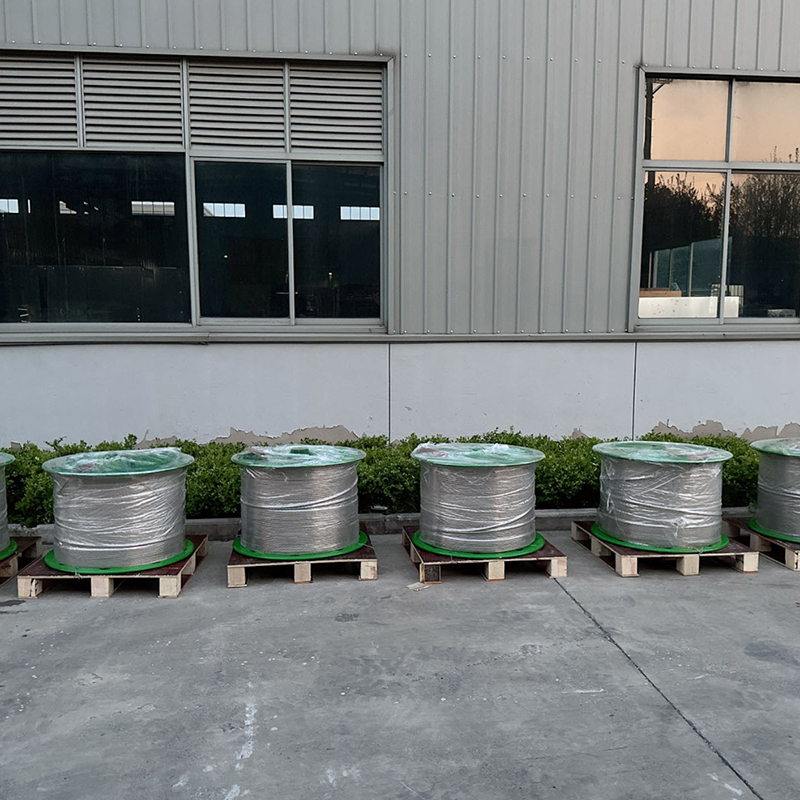
Three kilometers under a producing well, a permanent pressure gauge is reading temperature and pressure that no one can see directly. The only way that data reaches a screen on the surface is through a thin steel line running the full length of the well. Engineers call it a hydraulic control pipeline, or capillary, and it does more than carry data — it also pumps corrosion inhibitor and scale-removing chemicals down to the production tubing, and it carries the hydraulic pressure that opens and closes a downhole safety valve from surface.
That third job is the one operators care about most. Seamless Stainless Steel Hydraulic Control Pipelines sit between a surface control panel and a subsurface safety valve; a drop in line pressure — intentional or accidental — closes the valve and shuts the well in. If the pipeline itself fails first, none of that matters.
Most fields run on 316L, and for sweet wells with moderate chloride exposure it does the job at a sensible cost. Once H2S or CO2 enters the picture, the calculation changes. Duplex grades such as 2205 and 2507 resist chloride stress cracking far better than standard austenitic stainless, which matters in offshore and high-salinity formations. For sour, high-temperature service, nickel alloys like 825 and 625 are the safer choice, even though they cost more per meter.
A Stainless Steel Capillary Tube is only as good as the alloy behind it — a line that survives ten years of sweet service can develop pinhole leaks in eighteen months once H2S is present. 304 is generally limited to surface or low-pressure instrumentation runs rather than downhole control lines. Material specs can also be customized per well chemistry rather than locked to one default grade.
Beyond alloy, four numbers determine whether a line is fit for a given well: outer diameter, wall thickness, length, and pressure rating. A 1/8" line is common for pressure-monitoring capillary, while 1/4" is the standard size for safety valve actuation lines carrying real hydraulic volume.
| Parameter | Range |
|---|---|
| Material | 316L, 310S, 2205, 2507, 304, 825, 625 |
| Wall thickness | 0.8mm – 1.65mm |
| Outer diameter | 1/8" – 1/2" |
| Single-coil length | 500m – 10,000m |
| Pressure rating | 50MPa – 120MPa |
Length matters more than buyers expect: a continuous run avoids the field splices that become future leak points, so confirming maximum single-coil length against well depth before ordering saves a service trip later.
A welded tube has a longitudinal seam, and that seam is a metallurgical discontinuity running the entire length of the pipe. Under sustained high pressure and thermal cycling, it is the first place fatigue cracking starts. A seamless tube has no such weak line — the wall thickness is uniform around the full circumference, which is why seamless construction is the default for control lines rated above roughly 70MPa.
The trade-off is mainly availability and lead time on very long single-piece coils, since seamless tubing requires drawing rather than rolling and welding. For most safety valve and chemical-injection applications, that trade-off is worth making — a pipeline failure downhole is far more expensive than a longer lead time on the front end.
Before sending a request for quote, four questions narrow the decision fast: What's the H2S/CO2 content and chloride level? What's the bottomhole pressure and temperature? Is the line for monitoring, chemical injection, or valve actuation? And what's the actual well depth versus available coil lengths?
Answering those first turns a vague request into a specific spec sheet, and a specific spec sheet is what separates a control line that lasts the life of the well from one that needs replacing in year two. Safety Valve Control Pipelines built to the right grade and rating for the well they're going into are, in practice, the cheapest option over the long run — even when they aren't the cheapest quote.
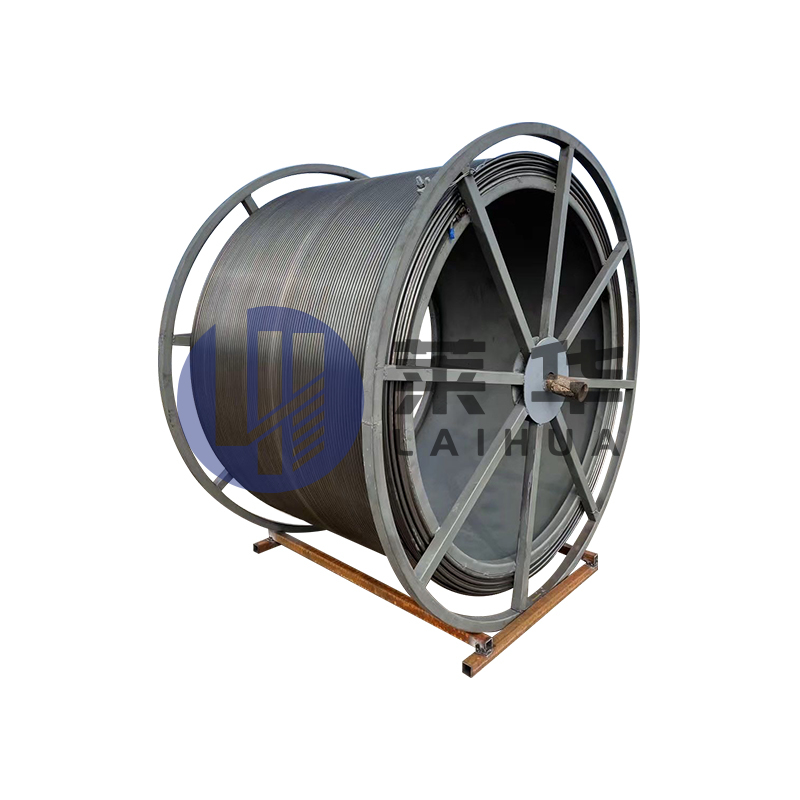
Kontinuerlig slang, även känd som flexibel slang eller flexibel slang, används allmänt inom områdena brunnsarbete, avverkning och borrning, etc. De...
Se detaljer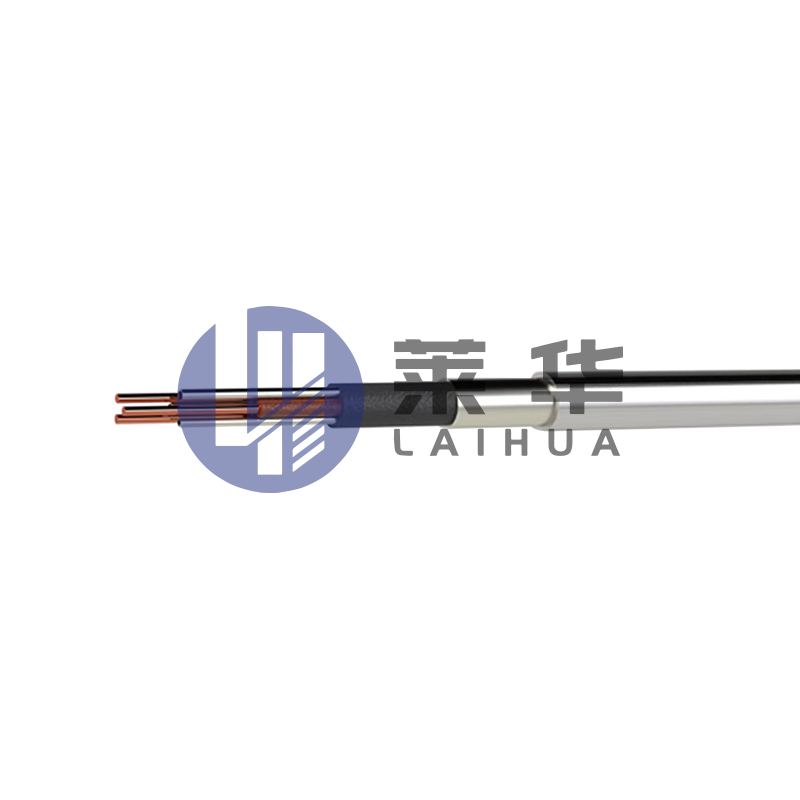
Syfte: Högtemperaturtestningskabeln, i kombination med högtemperaturtestbilen, används främst vid multiparametertestning av tunga oljeproduktionsbr...
Se detaljer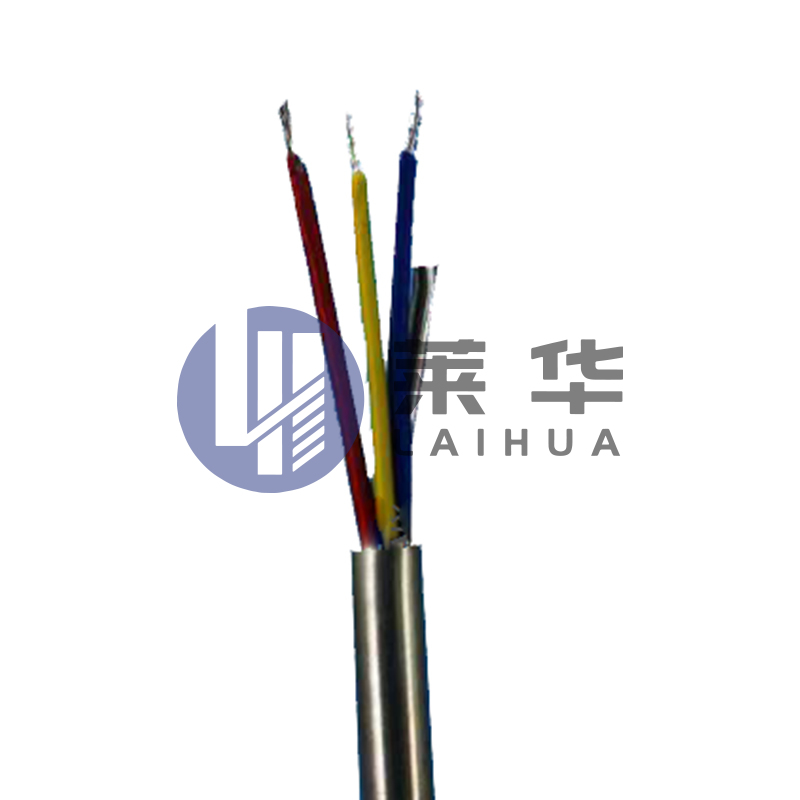
Den rostfria fiberoptiska testkabeln är en speciell testkabel som kombinerar hållbarheten hos rostfritt stål med den höga överföringseffektiviteten...
Se detaljer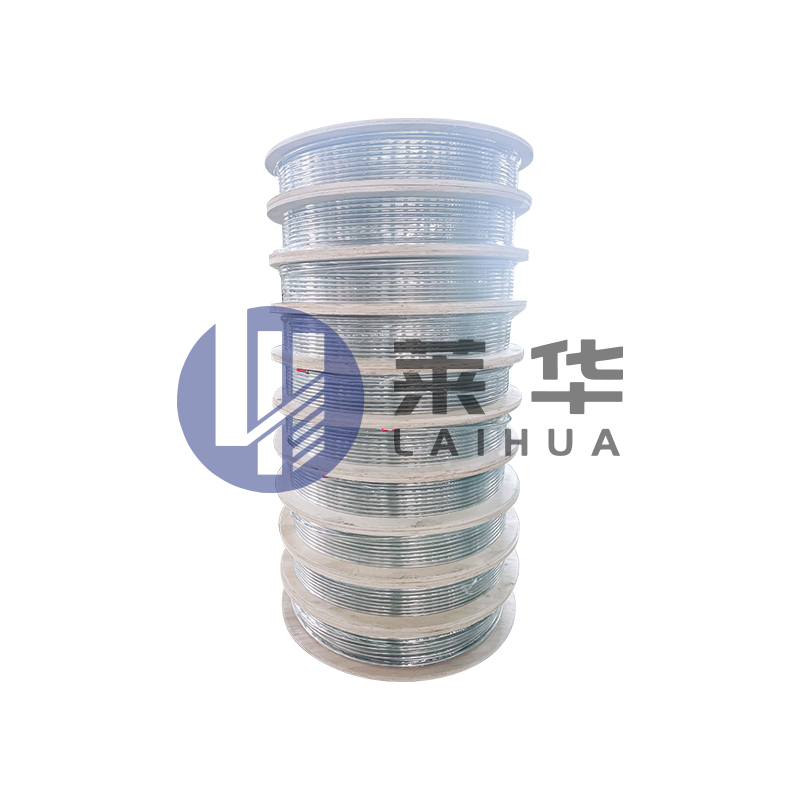
Instruktioner för användning av hydrauliska kontrollrörledningar Hydraulisk kontrollrörledning, även känd som kapillär. Huvudsakligen används för u...
Se detaljer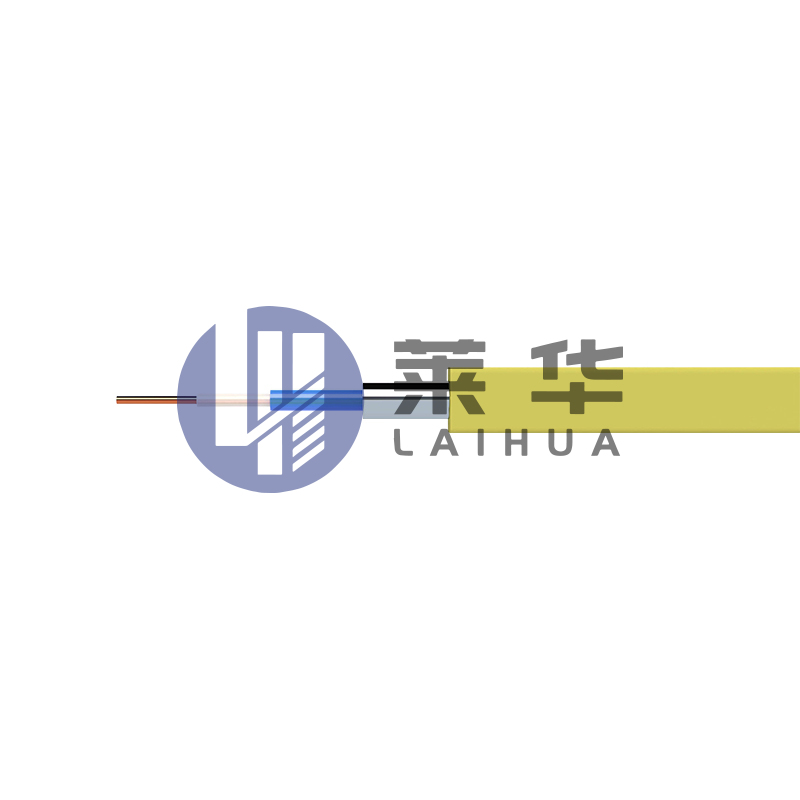
Rostfritt stålklädda rör är ett rörsystem som kombinerar hållbarheten hos rostfritt stål med skydd av plast. Detta rörsystem är vanligtvis tillverk...
Se detaljer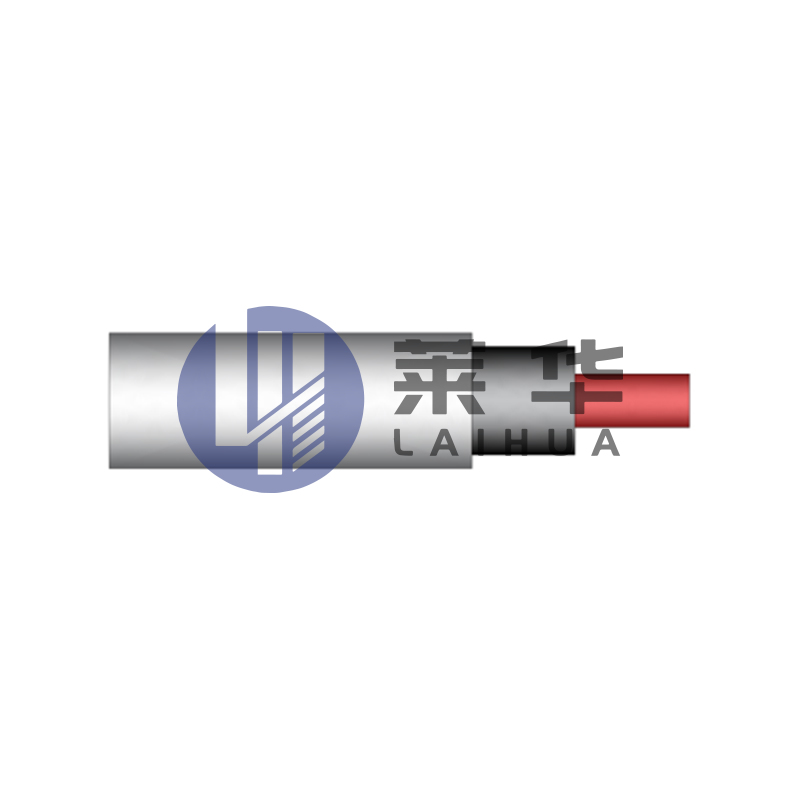
Applikationsfält: Det elektriska induktionsvärmesystemet är en komplett uppsättning av elektriska värmevärmningsanordningar som utvecklats av vå...
Se detaljer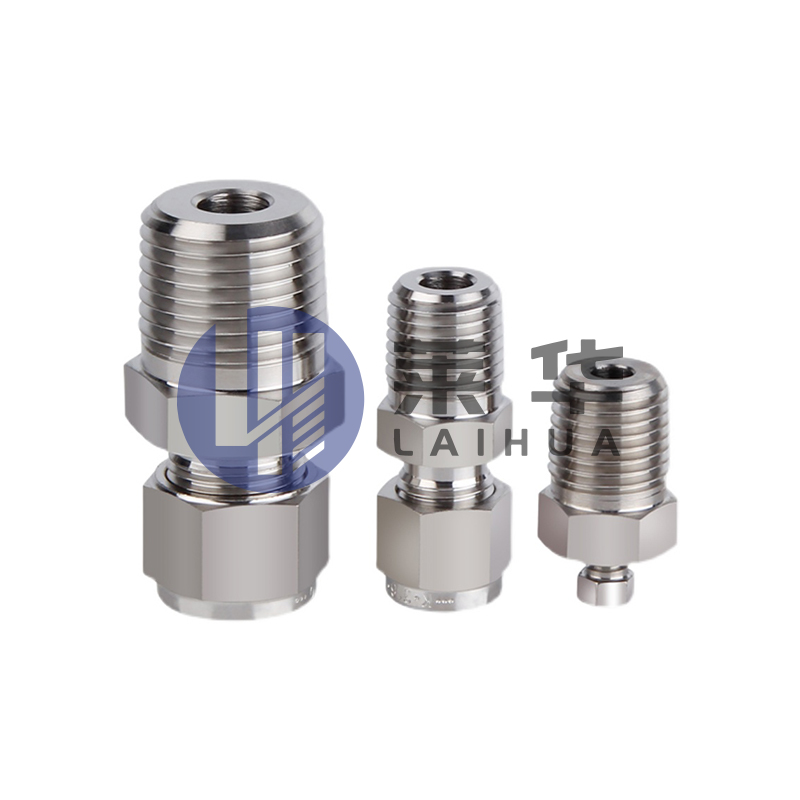
Rörfogen med hylstyp av röret består av tre delar: fogkroppen, hylsan och muttern. När klämman och mutteren sätts in i fogkroppen på stålröret, och...
Se detaljer
Continuous Tubing Skid Winch är en specialdesignad utrustning för oljefältverksamhet, som kombinerar designfunktionerna i den kontinuerliga slangar...
Se detaljer

E-post:

Telefon: +86-15996597000
+86-18252893456

WhatsApp: +86-18252874678

Adress: Nr 3 Xinyuan Road, Nanmo Town Industrial Park, Hai'an City, Nantong City, Jiangsu -provinsen, Kina
QR -kod på
mobiltelefon
Copyright © Jiangsu Laihua Petroleum Equipment Co., Ltd.


Kontakta oss